“Better for you” can mean several different things on a drinks shelf: fewer calories, less sugar, a lower alcohol percentage, or no alcohol at all. Those are different choices. The useful question is what you want to change, then whether the label actually supports it.
For adults choosing a canned cocktail in 2026, flavor and convenience still matter. So does understanding what “light,” “clean,” and “premium” leave unsaid. Here is a practical way to look past the front-of-can language.
Start with the choice you want to make
A citrus flavor can taste light without being low in sugar. A zero-sugar drink can still contain alcohol and calories. A smaller can can have fewer calories per container while being stronger than a larger one.
Before comparing brands, decide whether you are looking for a particular flavor, fewer grams of sugar, fewer calories per can, or less alcohol. Treat those as separate label checks.
Read the label in this order
| Check | What it tells you | What to compare |
|---|---|---|
| Can and serving size | How much liquid the figures cover | Per-can values with per-can values, or the same volume |
| Alcohol by volume (ABV) | The proportion of alcohol in the drink | ABV together with the amount you pour or drink |
| Calories | The listed energy in that serving | The full container if that is your intended serving |
| Sugar | The listed grams of sugar | Total sugar separately from “no added sugar” claims |
Our guide to sugar in canned cocktails explains that last distinction. For a closer look at serving sizes, see the canned cocktail calorie guide.
Lower alcohol and lower calories are different goals
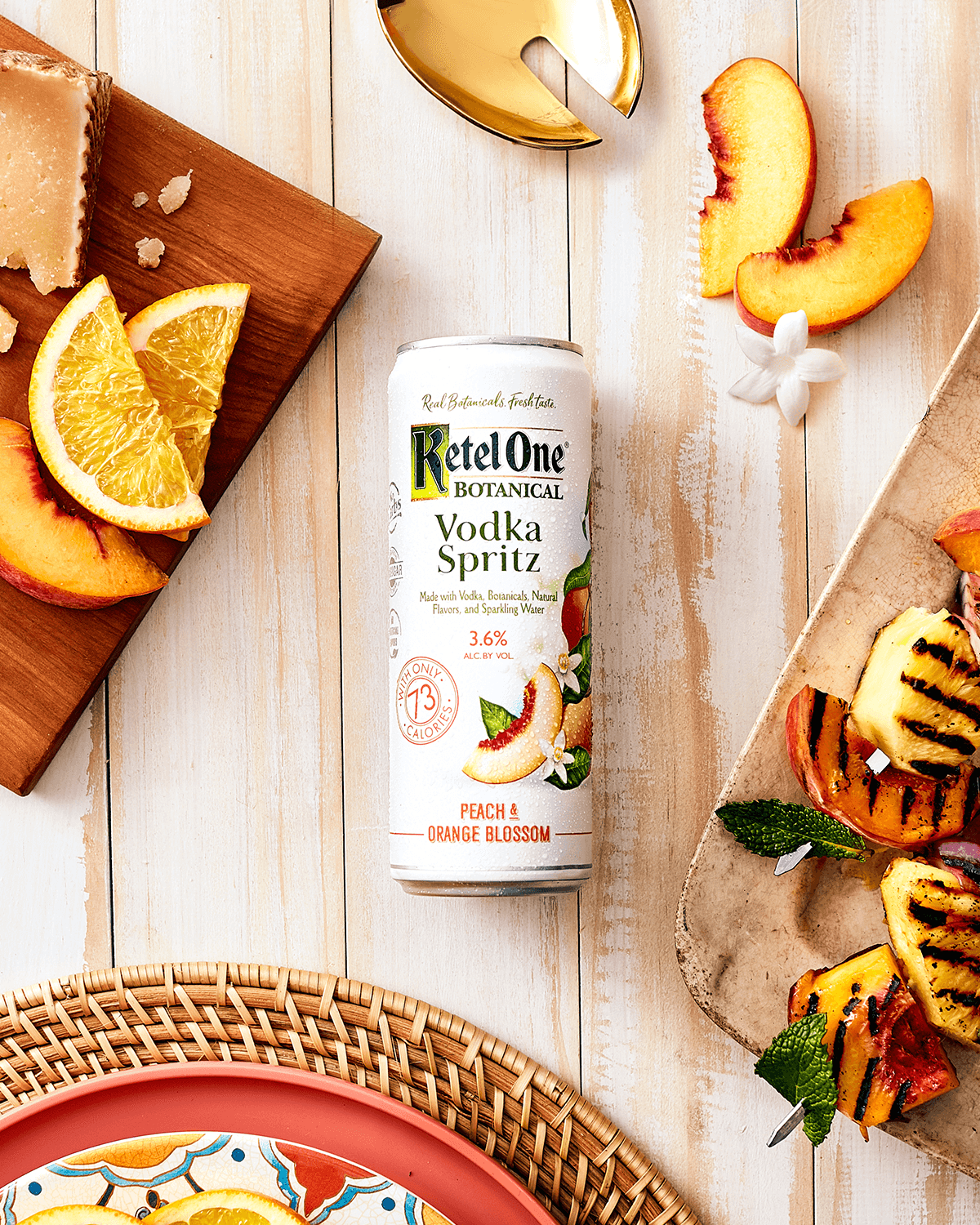
A drink’s name does not determine how much alcohol it contains. A vodka seltzer, canned cocktail, and beer can each come in different strengths and sizes.
NIAAA defines a U.S. standard drink as 0.6 fluid ounces of pure alcohol. For example, 12 fluid ounces at 5% ABV contains that amount. A 12-fluid-ounce drink at 10% ABV contains twice as much alcohol. The size and percentage belong in the same comparison.
“Sessionable,” “real vodka,” and “natural flavors” describe positioning or product characteristics. They do not establish that a drink is healthier. NIAAA’s health guidance says that, for people who drink, less alcohol is better. A calorie or sugar claim does not remove alcohol-related risks.
What Landshark’s package actually says
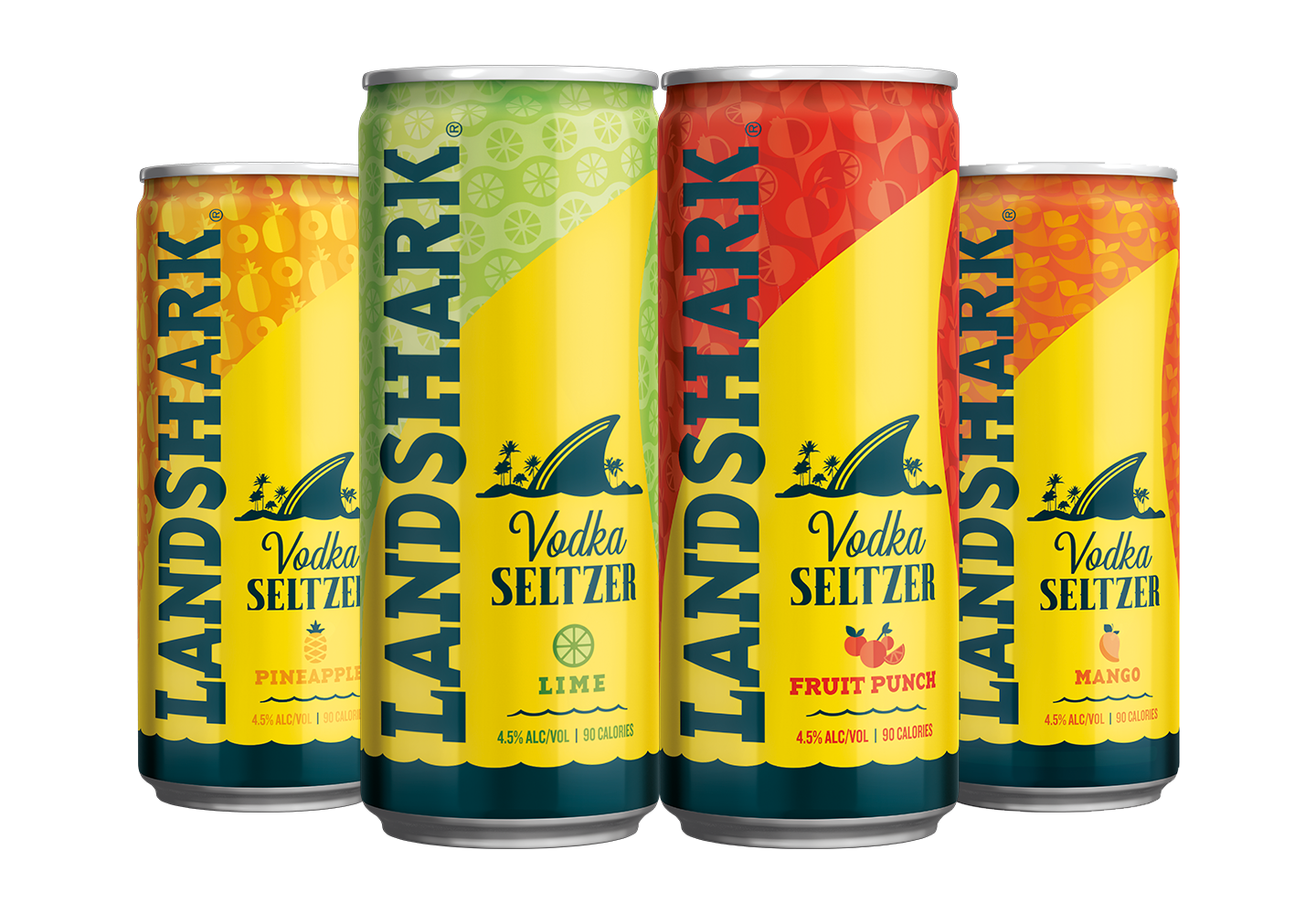
Landshark Vodka Seltzer’s Shoreline Variety Pack identifies 12-fluid-ounce (355 mL) cans with 90 calories, 0 grams of sugar, and 4.5% ABV. It is made with vodka, sparkling water, and natural flavors. Those are specific product facts you can compare, without treating them as a health promise.
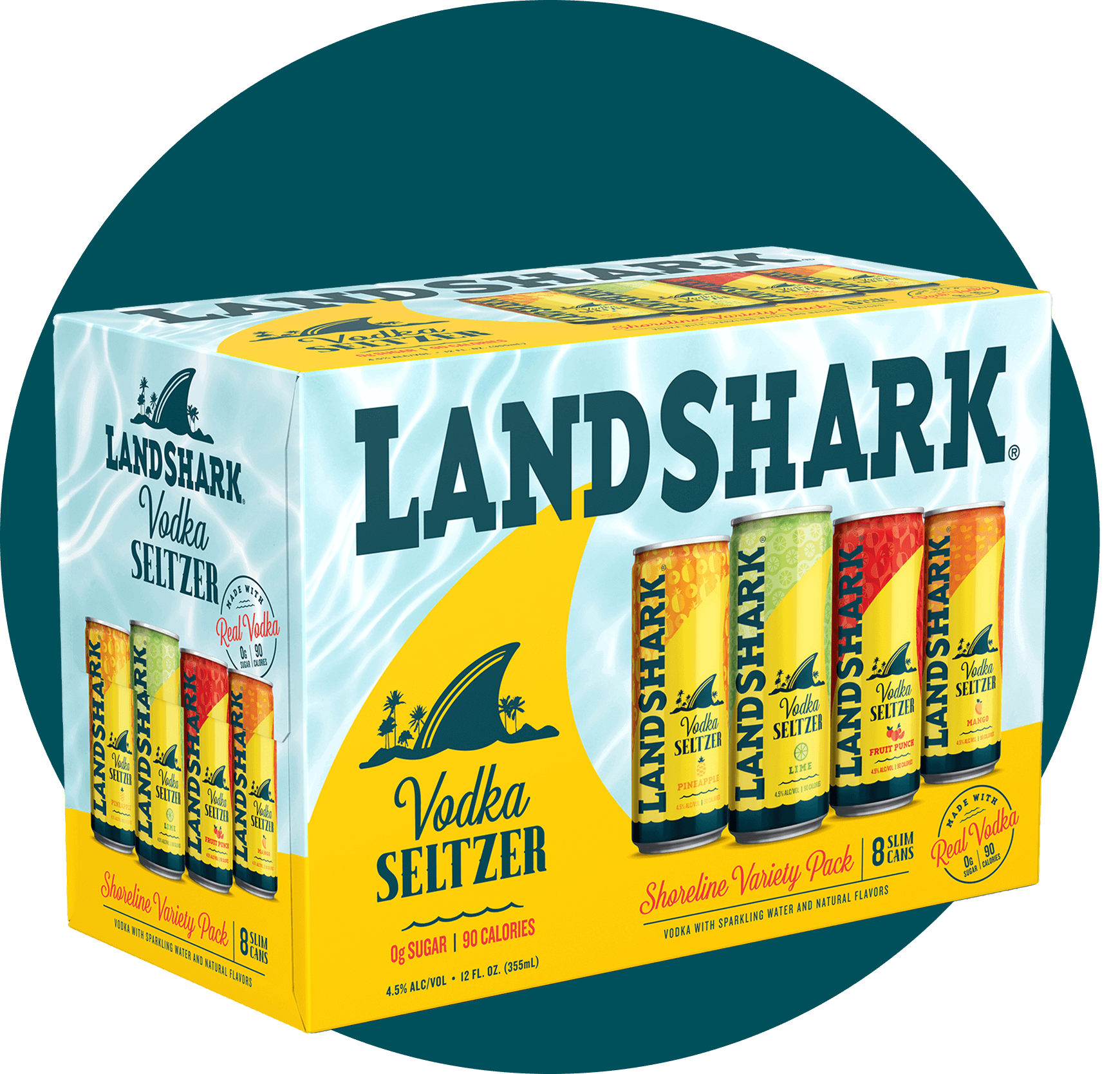
The four flavors are Lime, Pineapple, Mango, and Fruit Punch. Choose by the flavor you enjoy, then check the package for the version and size you are buying. Explore the Landshark flavor lineup for the current selection.
Make social plans flexible
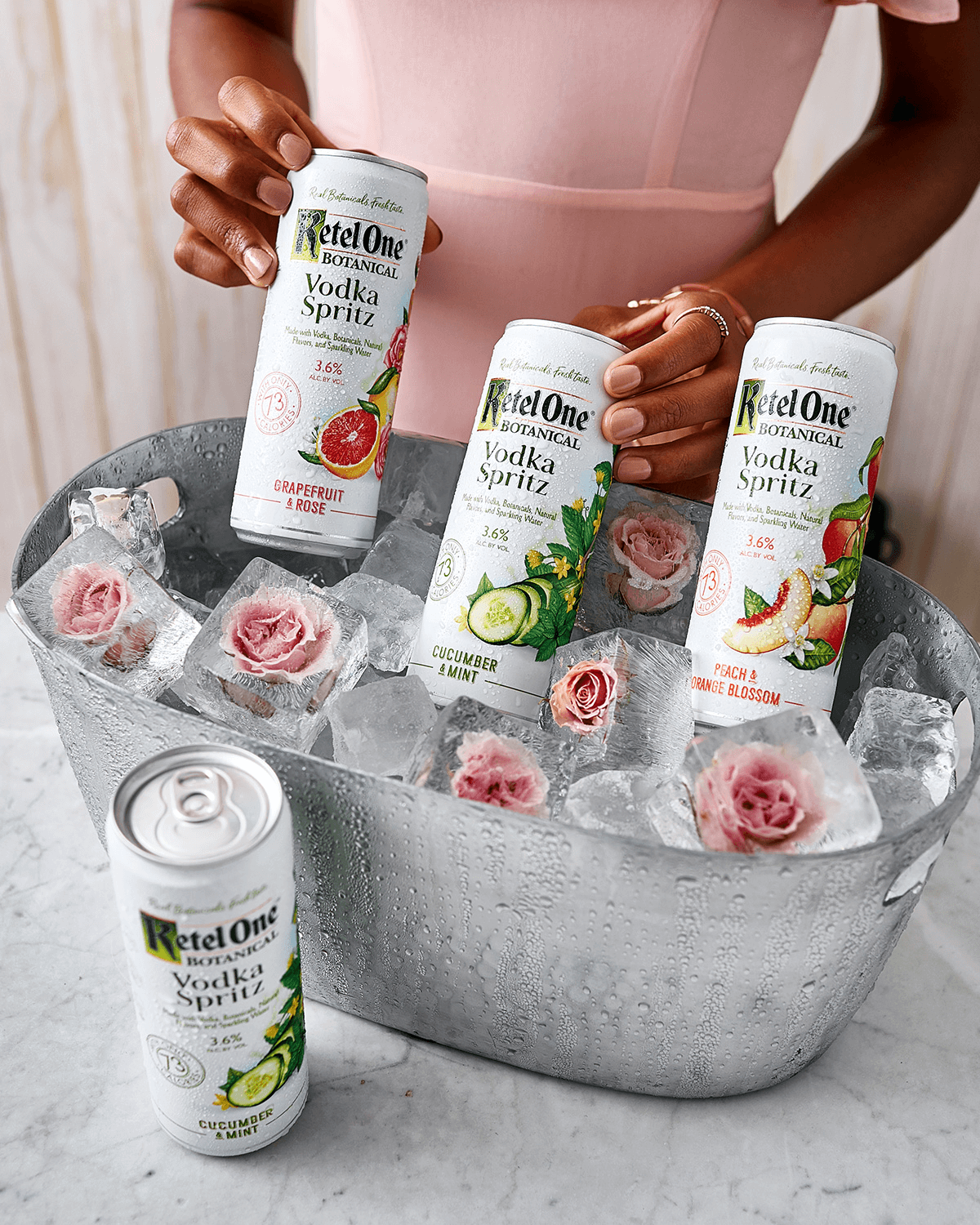
The original appeal of ready-to-drink cans is straightforward: no measuring, mixing, or assembling a long ingredient list. That convenience works just as well alongside sparkling water and alcohol-free options.
If you are hosting a backyard dinner or packing a cooler, offer choices without making anyone explain theirs. Keep water and non-alcoholic drinks as easy to reach as everything else. A good gathering does not depend on everyone choosing the same drink.
Flavor still belongs in the decision
Less sugar does not tell you whether you will like a drink. Citrus, tropical fruit, carbonation, sweetness, and the spirit base all affect the experience. Start with the flavor profile you enjoy instead of assuming a “premium” or “clean” label guarantees the right fit.
The most useful direction for the category is greater clarity: an identifiable product, understandable serving information, and room to choose alcohol-free. That gives you more to work with than a vague promise of “better.”