
The amount of sugar in a canned cocktail depends on the exact recipe, flavor, and can size. A sweet taste does not give you a reliable gram count, and “no added sugar” is not the same statement as “zero sugar.”
The quickest way to compare is to find the sugar amount for the full can you plan to drink. Then look at calories and alcohol strength separately. Here is how to make that shelf-side check useful.
Total sugar and added sugar answer different questions
The FDA explains that total sugars include sugars naturally present in ingredients as well as sugars added during processing. Added sugars are part of that total, not an extra number to add to it.
A drink made with fruit juice can contain sugar even when no additional sugar has been added. Conversely, a fruit-flavored drink does not necessarily contain fruit juice or a large amount of sugar. Read the specific product information instead of deciding from the flavor name.
A label-reading checklist you can actually use
- Identify the exact drink. Match the brand, product line, flavor, and container size. Similar packaging can belong to different recipes.
- Find the serving basis. Is the sugar amount listed per serving, per can, or per 100 mL?
- Calculate the full-can amount when needed. Multiply grams per serving by servings per container.
- Separate total from added sugars. Do not add the two values together.
- Check calories and ABV. Sugar is only one part of the comparison.
| Label statement | Useful interpretation |
|---|---|
| 0 g sugar | The declared sugar amount for the stated serving. It does not mean zero calories or no alcohol. |
| No added sugar | Check total sugar too; ingredients such as juice can contribute sugars. |
| Made with real fruit juice | A recipe detail, not a sugar quantity. Look for grams per serving. |
| Light or refreshing | A description of the drinking experience, not a numerical nutrition comparison. |
What if the can does not list sugar?
Not every alcoholic beverage carries the familiar Nutrition Facts panel. TTB’s alcohol labeling guidance explains its voluntary nutrient-labeling framework. Check the manufacturer’s current product page or contact the brand for information tied to the exact drink.
When an ingredient list is available, honey, agave syrup, corn syrup, and sugar can help you understand the recipe. Their presence alone does not tell you the grams in a can. A missing sugar value should stay unknown, rather than becoming an assumed zero.
A concrete example: Landshark’s variety pack
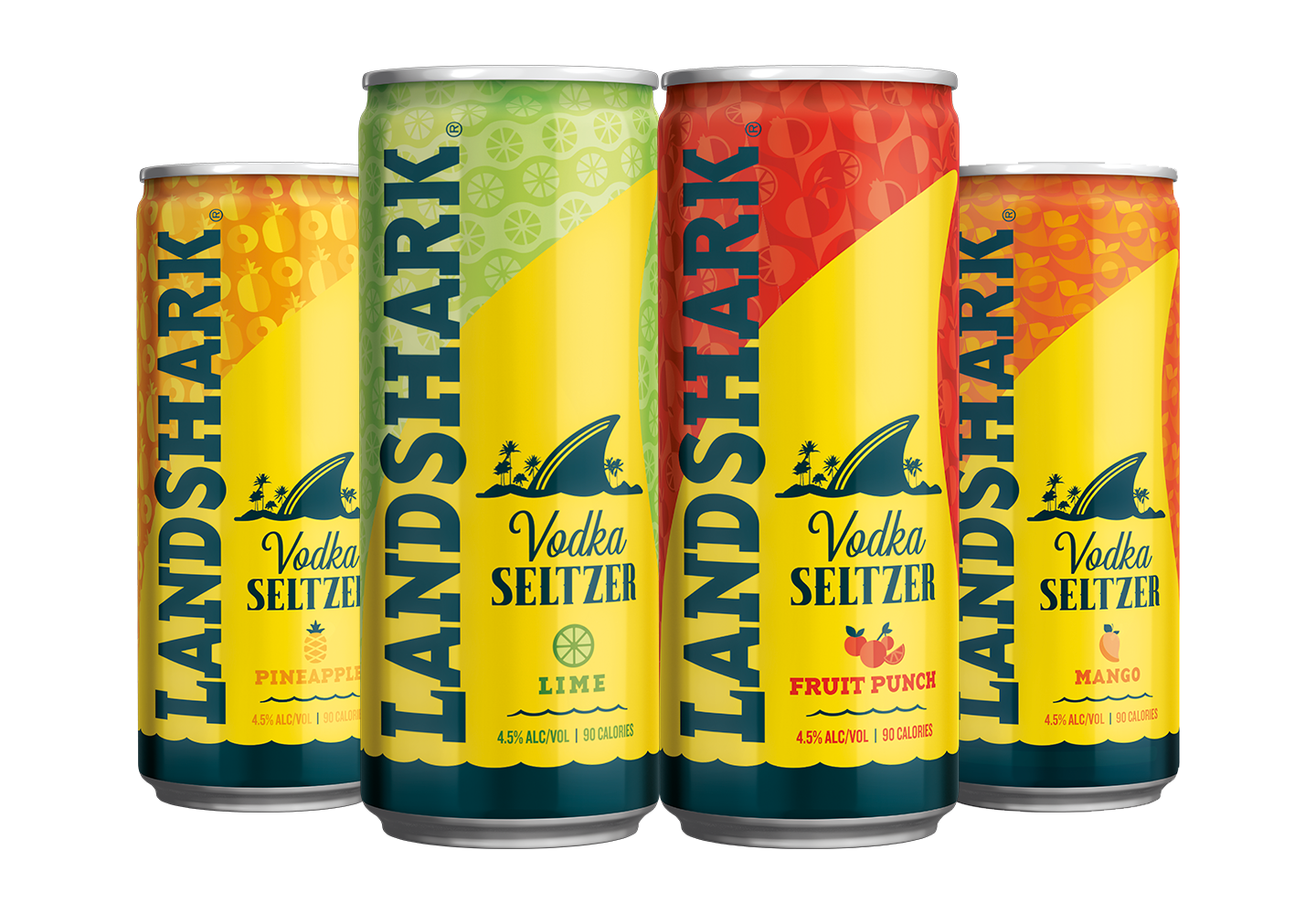
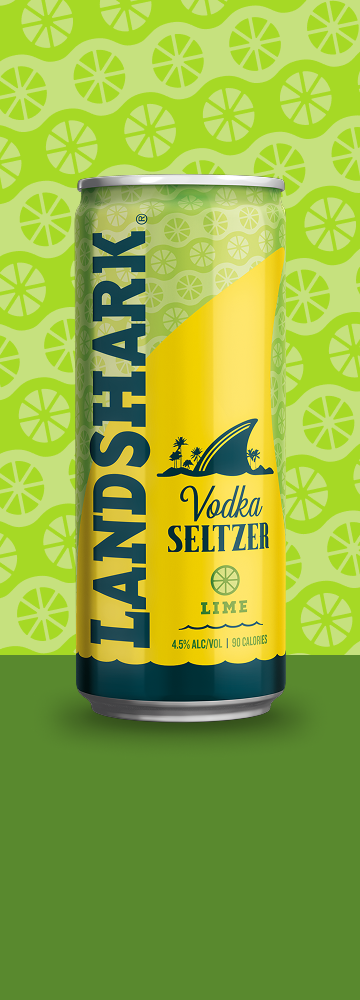
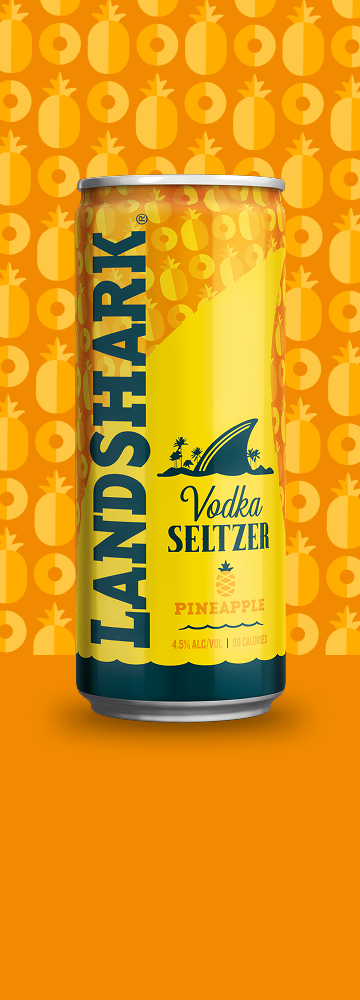
Landshark Vodka Seltzer’s Shoreline Variety Pack lists 0 grams of sugar, 90 calories, and 4.5% ABV for its 12-fluid-ounce (355 mL) cans. The package illustrates why sugar, calories, size, and alcohol content should be read together.
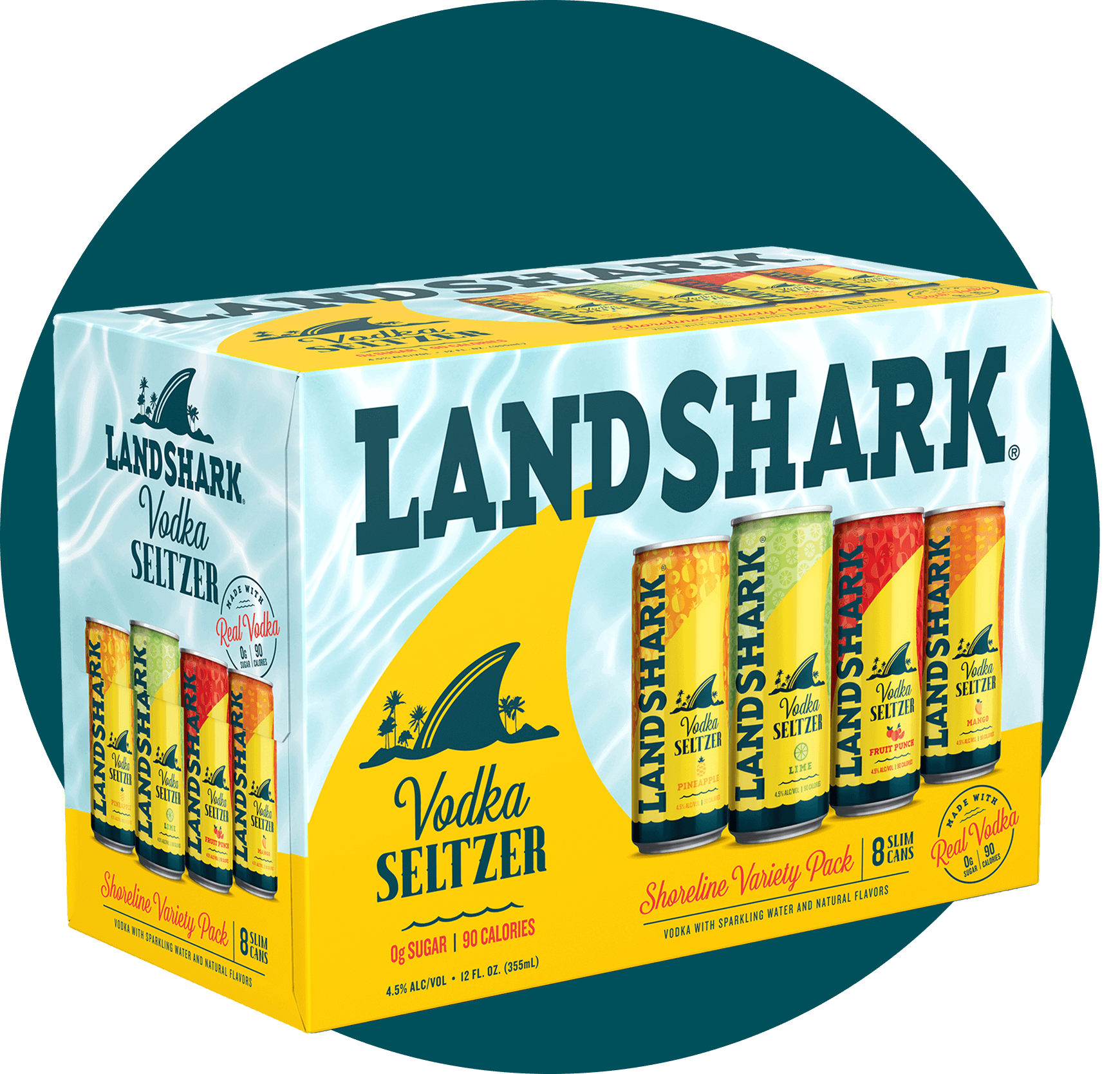
See the current Landshark lineup for flavors, or use our calorie comparison guide to understand why zero sugar does not mean zero calories.
Adding sparkling water changes concentration, not the original sugar
If a full cocktail contains 10 grams of sugar, adding plain sparkling water leaves those same 10 grams in the combined drink. It may taste less sweet because the sugar is spread through more liquid. Drinking the whole mixture still means consuming the original sugar amount and alcohol.
To reduce the amount you consume, use a smaller portion of the original drink or choose a product with a lower declared amount for the same serving size. Do not confuse dilution with removing an ingredient.
Keep the choice in perspective
A lower-sugar option may fit your preferences, but it does not make alcohol risk-free. NIAAA’s standard-drink guide is useful for comparing alcohol amounts across different can sizes and strengths.
Pick a flavor you enjoy, compare like-sized servings, and keep alcohol-free options in the mix. The numbers are there to inform the choice, not turn one can into a health claim.